Some ingredients spend years in the background before suddenly, inexplicably, becoming the thing everyone is talking about. Cabbage is having that exact moment right now. Once relegated to slaws and soup pots, it has found its way into something far more exciting, folded into tender little dumplings that manage to be both humble and genuinely craveable at the same time. There is a reason home cooks everywhere have started calling cabbage the unlikely MVP of the kitchen this year, and one bite of these dumplings will explain exactly why.
What makes cabbage such a natural fit for cabbage dumplings is something cooks in East Asian kitchens have understood for generations. Shredded cabbage, when salted and given a few minutes to release its liquid, transforms into something almost silky, sweet at the edges, with just enough bite left to give the filling texture. Wrapped in a thin, delicate skin and either steamed until translucent or pan seared into golden crisp bottomed perfection, it becomes a filling that feels lighter than meat yet somehow just as satisfying.
The Ingredient Everyone Underestimated
For a vegetable so ordinary, cabbage carries an unusual amount of hidden potential. Its structure, tightly layered and full of natural moisture, means it behaves almost like a sponge for flavor once it is chopped fine and mixed with aromatics like garlic, ginger, and scallion. Unlike leafy greens that wilt into nothing, cabbage holds its shape and a little crunch even after cooking, which is exactly why it works so beautifully as a dumpling filling rather than disappearing entirely into the mix.
Also Read: Bibimbap Recipe | Easy Korean Rice Bowl
Also Read: Easy Honey Garlic Chicken Bites Recipe (Crispy & Juicy)
Also Read: Crispy Chicken Katsu Bowl with Rice and Fresh Veggies
There is also something deeply practical about this trend that goes beyond flavor. Cabbage is inexpensive, keeps for weeks in the refrigerator, and stretches a small amount of protein into a filling that feeds a crowd. It is the kind of ingredient that quietly makes sense once you actually try it, which may explain why searches for cabbage recipes have climbed so sharply this year.
What Goes Into These Dumplings
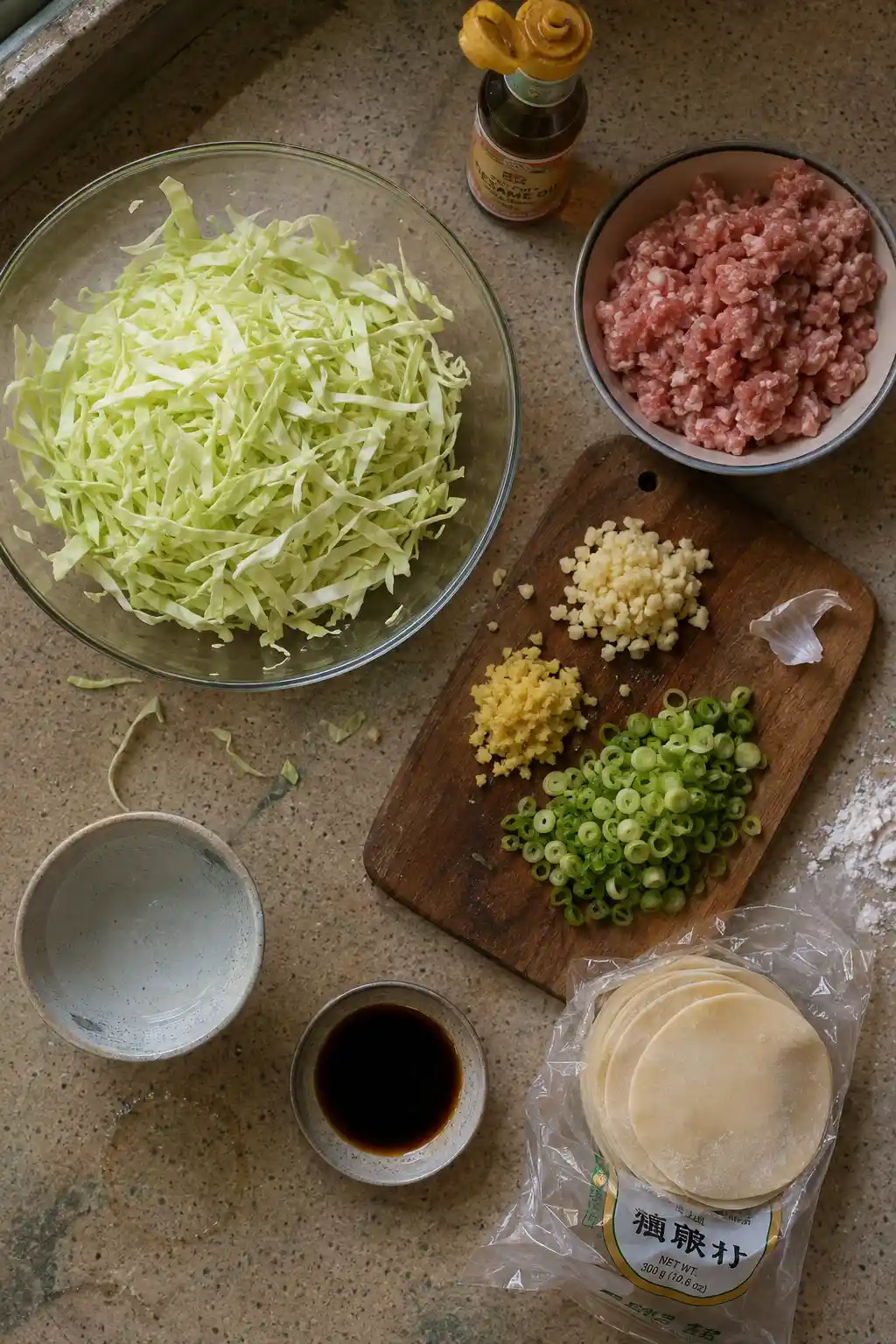
This recipe keeps its ingredient list refreshingly short, letting the cabbage itself take center stage rather than getting buried under a dozen competing flavors.
For the Filling
Finely shredded green cabbage forms the base, salted briefly to draw out excess moisture before being wrung dry in a clean kitchen towel. A modest amount of ground pork or ground chicken adds richness and body, while minced garlic, fresh ginger, and thinly sliced scallions bring the aromatic backbone that makes this filling so fragrant. A splash of soy sauce, a touch of sesame oil, and a pinch of white pepper round out the seasoning.
For Assembly
Round dumpling wrappers, found in the refrigerated or frozen section of most grocery stores, hold everything together. A small bowl of water is all you need for sealing each one shut.
Folding a Dumpling, Explained Simply
There is an undeniable satisfaction in the repetitive rhythm of folding dumplings, and once you get the hang of it, the process becomes almost meditative.
Step One Prepare the Cabbage
Toss the finely shredded cabbage with a teaspoon of salt and let it sit for ten minutes. Transfer it to a clean kitchen towel and wring out as much liquid as possible, since excess moisture is the most common reason dumpling filling turns soggy or leaks during cooking.
Step Two Mix the Filling
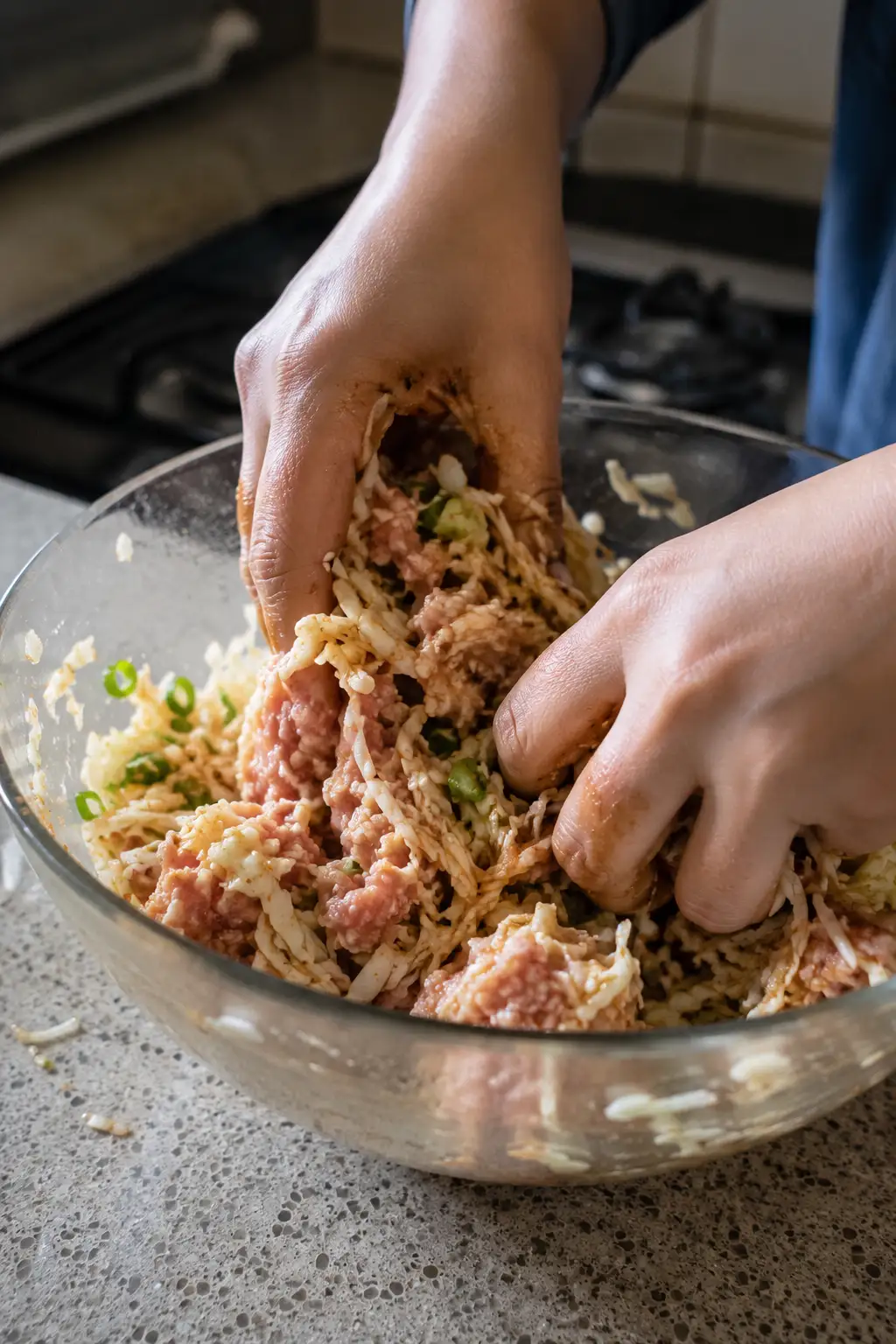
In a large bowl, combine the drained cabbage with the ground pork, garlic, ginger, scallions, soy sauce, sesame oil, and white pepper. Mix just until everything is evenly distributed, being careful not to overwork the mixture.
Step Three Fill and Fold
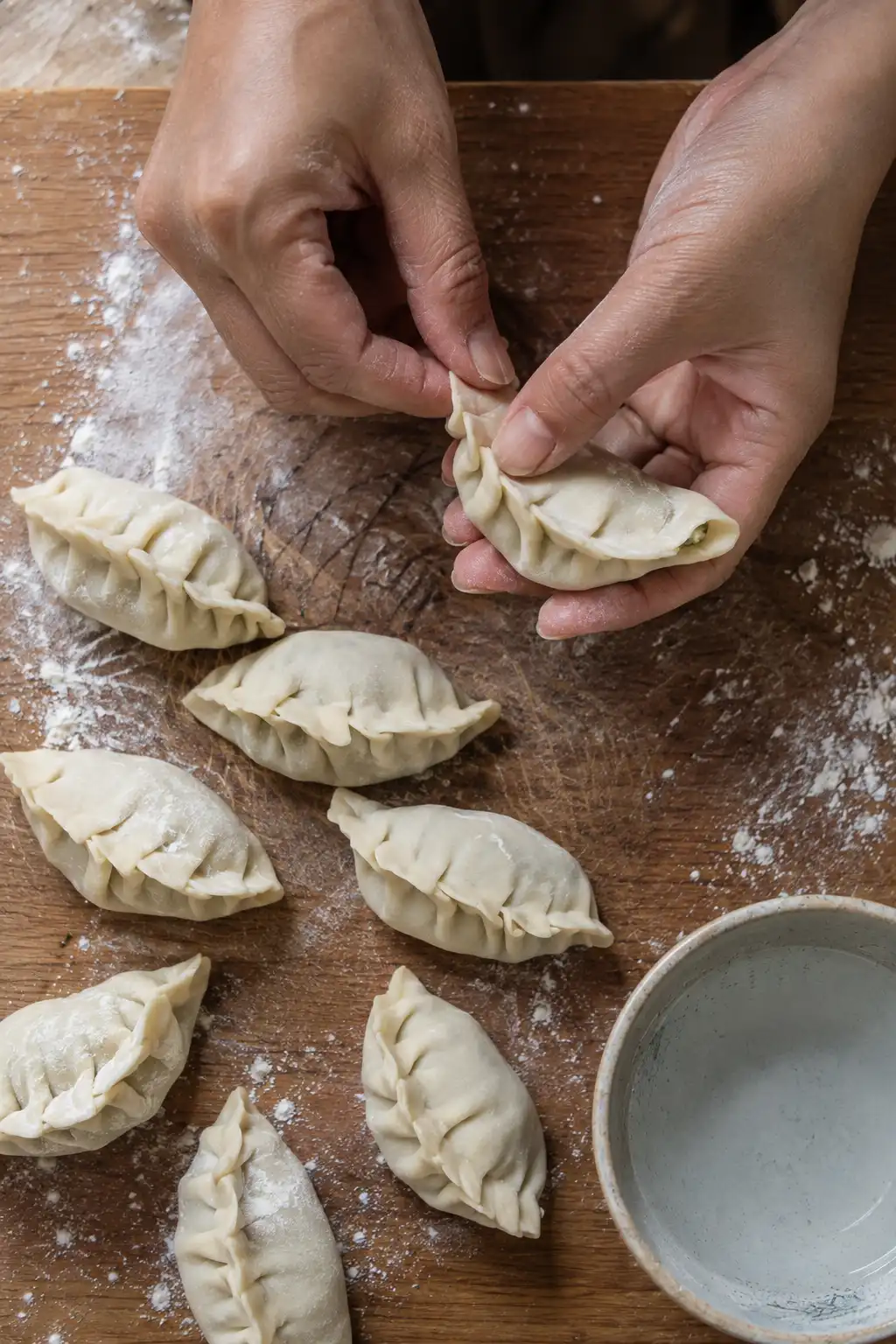
Place a small spoonful of filling in the center of each wrapper. Dip a finger in water and trace it along the edge of the wrapper, then fold it in half and pinch the edges together tightly, pleating as you go for that classic dumpling shape. Repeat until all of the filling and wrappers are used.
Step Four Cook to Your Preference
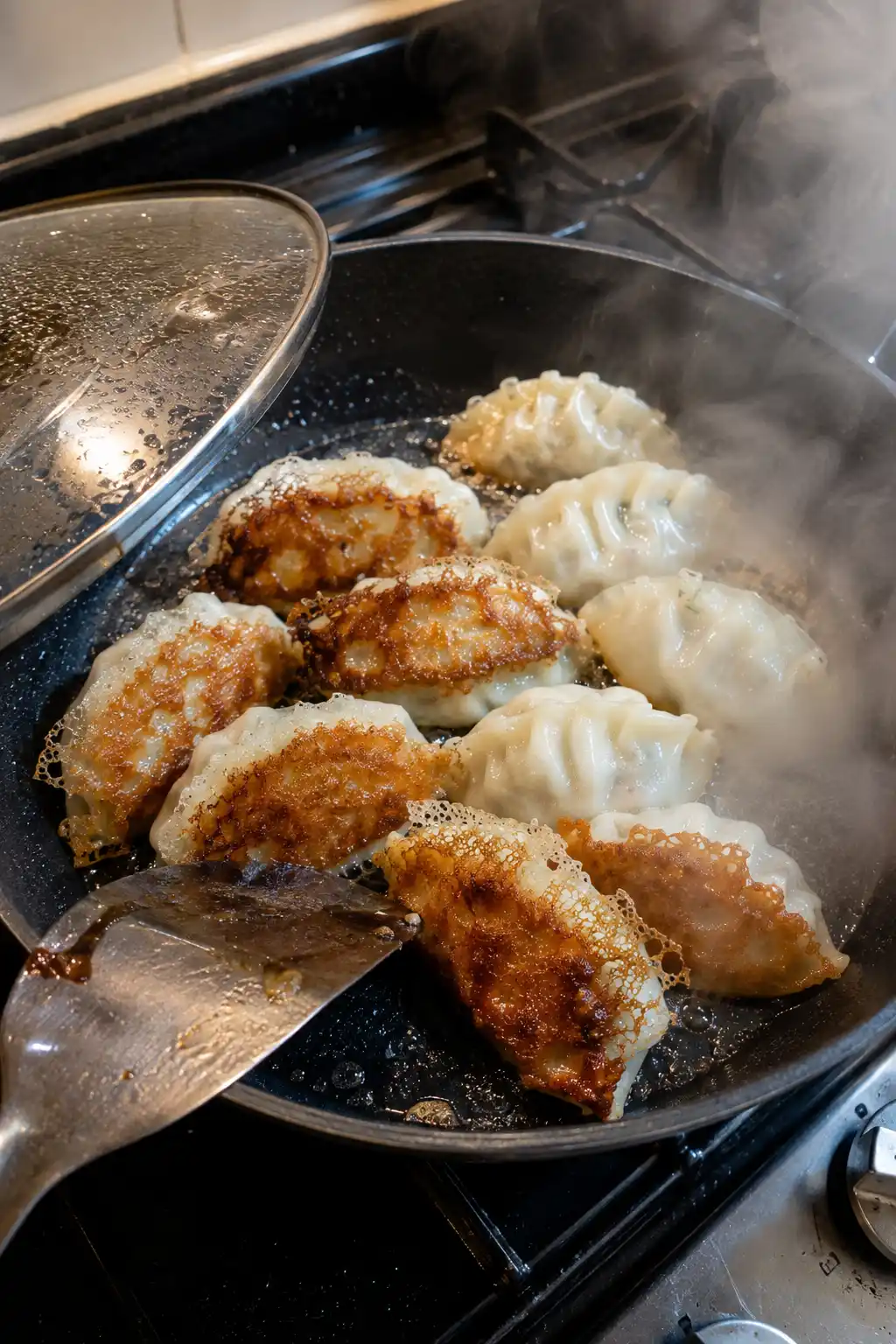
For steamed dumplings, arrange them in a lined steamer basket and steam over boiling water for eight to ten minutes, until the wrapper turns translucent. For pan seared dumplings, heat oil in a skillet, arrange the dumplings flat side down, and cook until golden on the bottom, then add a splash of water and cover to steam through, finishing with a final minute uncovered to crisp the bottoms back up.
Why This Trend Has Real Staying Power
Food trends come and go, but there is something about cabbage dumplings that feels less like a passing moment and more like a genuine shift in how people are thinking about weeknight cooking. They deliver the satisfaction of a from scratch project without demanding an entire afternoon, and they freeze beautifully, which means one session in the kitchen can stock your freezer with dinner for weeks. In a moment where home cooks are looking for dishes that feel both resourceful and a little bit special, cabbage dumplings check every box.
Delicious Ways to Serve Them
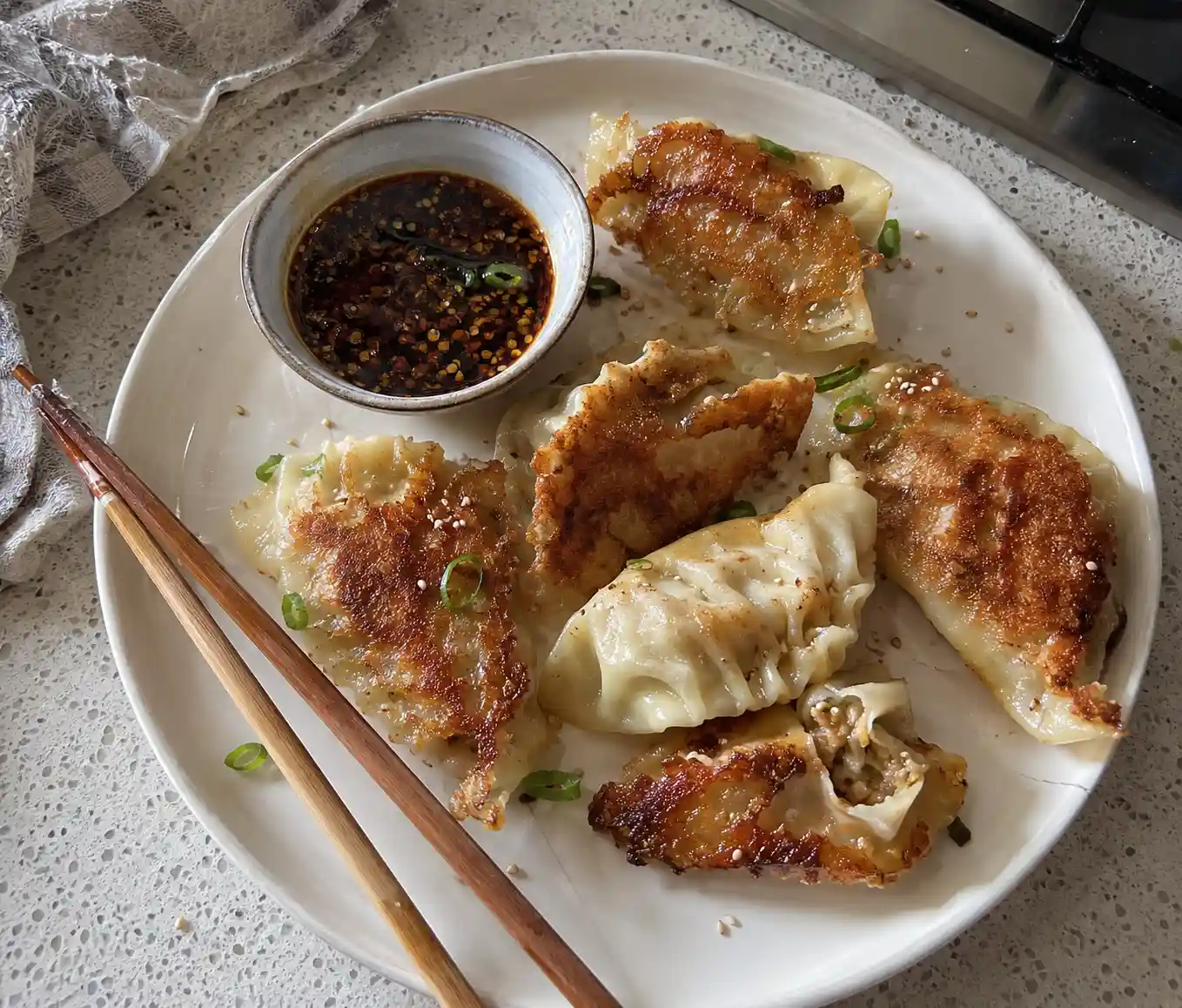
A simple dipping sauce of soy sauce, rice vinegar, a touch of sesame oil, and a few slices of fresh chili elevates these dumplings into something restaurant worthy. Served alongside a light cucumber salad or a bowl of hot and sour soup, they make a complete, satisfying meal. For an easy appetizer spread, arrange them on a platter with a few different dipping sauces and let guests choose their favorite.
Cabbage Dumplings
Ingredients
Equipment
Method
- Prepare the Cabbage – Toss shredded cabbage with salt and let sit 10 minutes. Wring out excess liquid using a clean kitchen towel.
- Mix the Filling – In a large bowl, combine drained cabbage with ground pork, garlic, ginger, scallions, soy sauce, sesame oil, and white pepper. Mix until just combined.
- Fill and Fold – Place a small spoonful of filling in the center of each wrapper. Wet the edge with water, fold in half, and pinch to seal, pleating as desired.
- Cook – For steamed dumplings, steam in a lined basket over boiling water for 8 to 10 minutes. For pan seared dumplings, heat oil in a skillet, cook flat side down until golden, add a splash of water, cover to steam through, then uncover for a final minute to re-crisp.
Notes
Make Ahead and Storage Tips
These dumplings are wonderfully freezer friendly, making them ideal for batch cooking. Arrange uncooked dumplings in a single layer on a baking sheet and freeze until solid, then transfer to a freezer bag for up to three months. Cook directly from frozen, adding a couple of extra minutes to whichever cooking method you choose.
Cooked leftovers keep in an airtight container in the refrigerator for up to three days, and reheat best in a skillet with a splash of water to bring back some of that steamed tenderness.
Frequently Asked Questions
Can I use napa cabbage instead of green cabbage
Yes, napa cabbage works beautifully and is actually the more traditional choice in many dumpling recipes, offering a slightly sweeter, more delicate texture than standard green cabbage.
Can I make these vegetarian
Yes, simply omit the ground pork and increase the cabbage slightly, or substitute finely chopped mushrooms for a similar savory depth.
Why did my dumplings fall apart while cooking
This usually happens when the wrapper edges were not sealed tightly enough, or when the filling contained too much moisture. Make sure to wring the cabbage thoroughly dry and pinch the seams firmly closed.
Can I boil these instead of steaming or pan frying
Yes, boiled dumplings are another classic preparation. Simply drop them into gently boiling water and cook for four to five minutes, until they float to the surface and the wrapper is fully cooked through.
Final Thoughts
Cabbage dumplings prove that the most exciting food trends are not always the flashiest ones. Sometimes they are simply a familiar ingredient, reimagined in a way that makes perfect sense once you taste it. Whether you fold a small batch for a weeknight dinner or stock your freezer for weeks ahead, this is a recipe worth learning now, before everyone else catches on.